Get Gas Line Relocation
Gas line relocation services help property owners safely move or adjust gas lines for renovations, new constructions, or safety upgrades, handled by experienced local contractors.
If you're considering relocating a gas line on your property, you're in the right place to explore your options. Property owners often need gas line relocation services for various reasons, such as remodeling projects, expanding outdoor living spaces, or ensuring safety and compliance with new building plans. Understanding the practical benefits of moving a gas line can help inform your decision-making process and ensure your project proceeds smoothly.
Finding the right local contractors to handle gas line relocation is an important step in planning your property improvements. Comparing different service providers can help you identify experienced professionals who can meet your specific needs. Keep reading to discover how local experts can assist with your project and what to consider when choosing the right partner for your gas line relocation needs.
- Gas Line Relocation for Renovations - when remodeling a property requires rerouting existing gas lines to accommodate new layouts.
- Emergency Gas Line Repositioning - in cases where gas lines need to be moved quickly due to leaks or safety hazards.
- Property Expansion Projects - when adding new structures or extensions that require adjustments to the current gas line setup.
- Utility Upgrades or Modernization - during upgrades that involve replacing outdated gas lines with newer, safer piping systems.
- Site Preparation for New Installations - prior to installing new appliances or systems that necessitate relocating existing gas infrastructure.
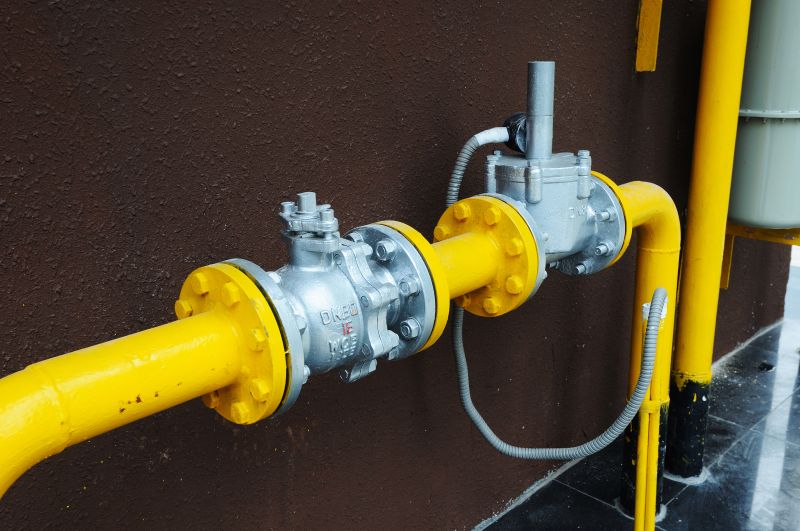
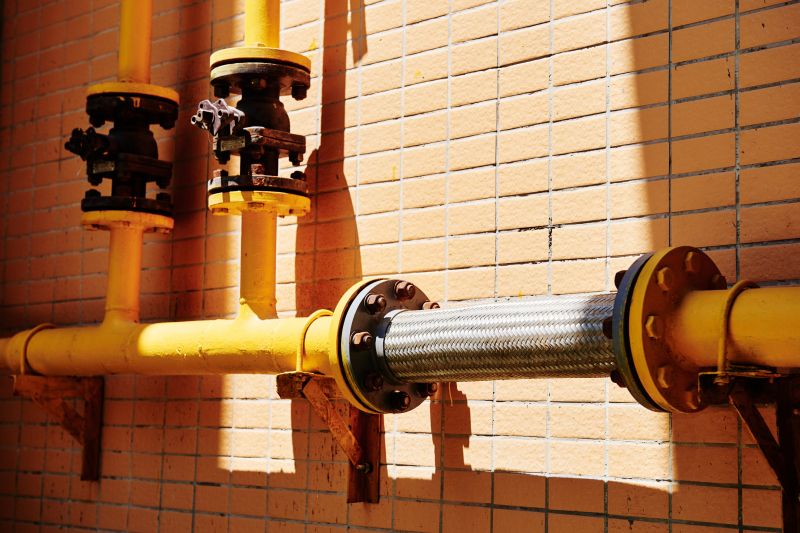
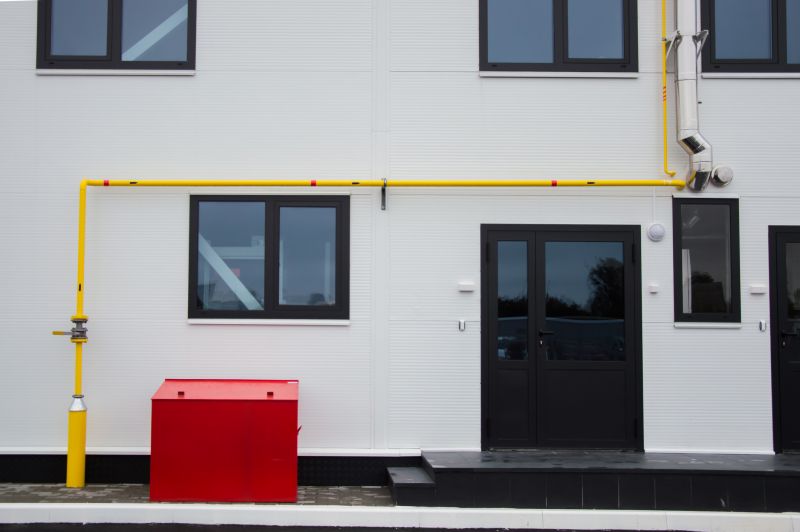
Gas line relocation services involve the careful process of moving existing natural gas lines from one location to another on a property. This work is often necessary when homeowners plan to renovate, add new structures, or make significant landscape changes that interfere with the current placement of gas lines. Skilled contractors will assess the property, identify the existing gas line routes, and then safely disconnect, reroute, and reconnect the lines as needed. The goal is to ensure the gas supply remains reliable and safe throughout the relocation process, following all relevant safety standards and regulations.
This service helps solve a range of common problems faced by property owners. For example, when building an extension or driveway, existing gas lines may obstruct new construction or landscaping plans. In some cases, old or damaged gas lines need to be replaced or repositioned to prevent leaks or safety hazards. Gas line relocation can also be part of a larger property upgrade, ensuring that the gas infrastructure aligns with new layouts or complies with updated safety codes. Local contractors can handle these adjustments efficiently, reducing the risk of future issues related to gas line placement.
Properties that typically require gas line relocation include residential homes undergoing renovation, new construction projects, or landscaping over existing gas lines. Commercial properties, such as restaurants or industrial facilities, may also need this service when expanding or reconfiguring their spaces. In many cases, older homes with outdated gas infrastructure benefit from rerouting to improve safety and functionality. It’s a common solution for property owners who are making significant changes to their property layout and need to ensure that their gas lines are properly positioned and maintained.
Homeowners should consider gas line relocation services when planning major renovations, additions, or landscape modifications that impact existing gas line routes. If there are signs of leaks, corrosion, or damage to the current gas lines, relocating or replacing them can prevent potential safety hazards. Additionally, when installing new appliances or systems that require a different gas supply configuration, moving gas lines becomes necessary. Contacting local service providers can help determine if gas line relocation is needed and ensure the work is done safely and efficiently to keep the property’s gas infrastructure reliable and compliant.
The overview below groups typical Gas Line Relocation projects into broad ranges so you can see how smaller, mid-sized, and larger jobs often compare in your area.
In many markets, a large share of routine jobs stays in the lower and middle ranges, while only a smaller percentage of projects moves into the highest bands when the work is more complex or site conditions are harder than average.
Smaller Repairs - typical costs for minor gas line relocations generally range from $250 to $600. Many routine jobs fall within this middle range, depending on specific site conditions and accessibility.
Medium-Scale Projects - more involved relocations, such as rerouting longer sections or working around existing structures, can cost between $600 and $2,500. These projects are common and often require more planning and materials.
Larger, Complex Jobs - extensive gas line rerouting or modifications involving difficult access or multiple connections can reach $2,500 to $5,000 or more. Fewer projects fall into this upper tier, typically for commercial or heavily obstructed sites.
Full Replacement - completely replacing an existing gas line can vary widely but generally costs $3,000 to $8,000+. The price depends on the length of pipe, complexity of the reroute, and site conditions, with larger projects tending to be at the higher end of the range.
Actual totals will depend on details like access to the work area, the scope of the project, and the materials selected, so use these as general starting points rather than exact figures.
Underground Utility Line Installation - local contractors skilled in installing various underground utilities often handle projects involving the relocation of gas lines to ensure proper placement and safety.
Excavation and Site Preparation - professionals experienced in excavation work are essential for preparing sites for gas line rerouting, requiring careful planning and precise digging techniques.
Utility Mapping and Planning - service providers who specialize in utility mapping help plan the safe and efficient relocation of gas lines, minimizing disruptions to existing infrastructure.
Trenchless Pipe Replacement - contractors familiar with trenchless technology can assist in relocating gas lines with minimal surface disruption, using specialized tools and methods.
Foundation and Structural Work - experts in foundation modifications and structural adjustments often work alongside gas line relocations to ensure building safety and compliance.
Drainage System Relocation - professionals experienced in drainage and sewer line work may handle related underground utility adjustments that intersect with gas line rerouting projects.
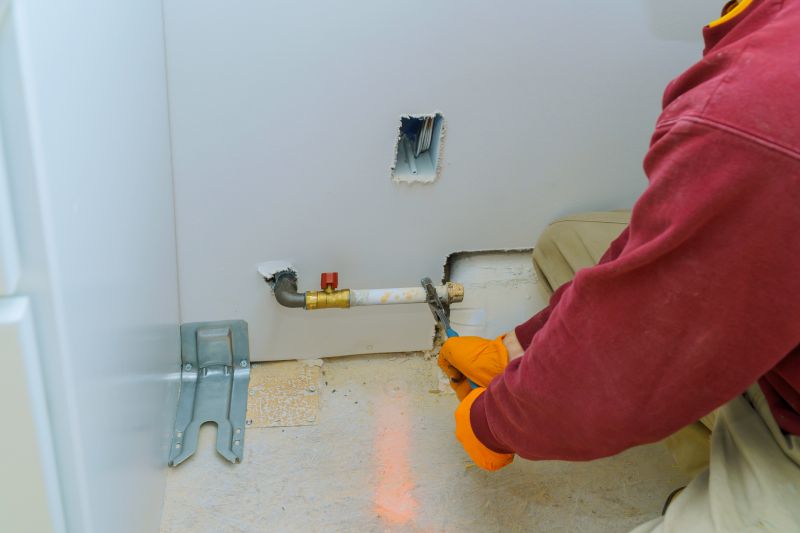
When evaluating service providers for gas line relocation, it’s important to consider their experience with similar projects. Homeowners should inquire about how many times the contractor has completed gas line relocations or comparable work, as well as the complexity of those projects. A provider with a proven track record in handling jobs like yours can offer insights into potential challenges and demonstrate familiarity with local codes and conditions. This background helps ensure the selected contractor understands the specific requirements of the job and can deliver results that meet expectations.
Clear, written expectations are a key component of a successful project. Homeowners should seek detailed proposals that outline the scope of work, materials to be used, and the steps involved in the gas line relocation. Having this information in writing helps prevent misunderstandings and provides a basis for comparing different service providers. It’s also advisable to ask for a comprehensive explanation of the process, so expectations are aligned from the outset. This transparency can contribute to a smoother project and reduce the likelihood of surprises along the way.
Reputable references and effective communication are essential when choosing a local contractor. Homeowners should ask for references from previous clients who had similar work done and follow up to learn about their experiences. Good communication from the outset-such as prompt responses to questions and clear explanations-can indicate a contractor’s professionalism and dedication to customer service. Establishing a relationship based on trust and open dialogue helps ensure the project proceeds smoothly and that any concerns are addressed promptly. Remember, the goal is to connect with qualified local service providers who can handle the job reliably and efficiently.
Property owners use Gas Line Relocation services for practical projects around their homes and businesses. This guide focuses on everyday jobs and straightforward project options.
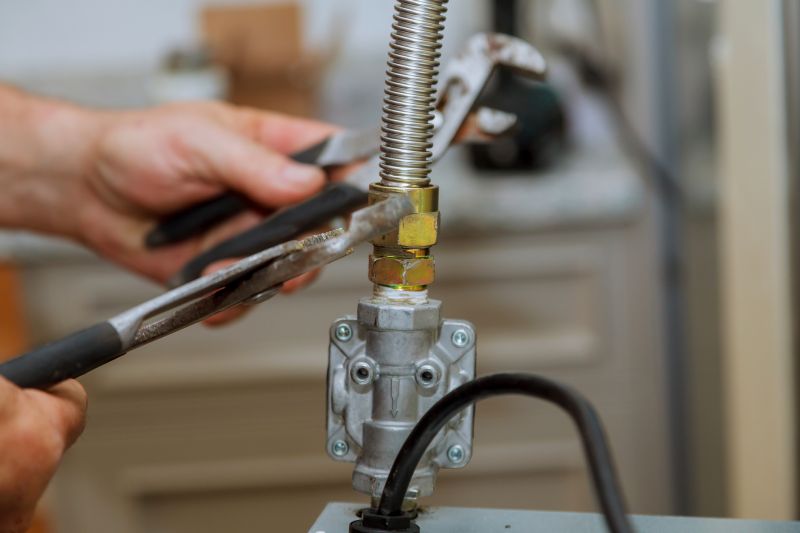
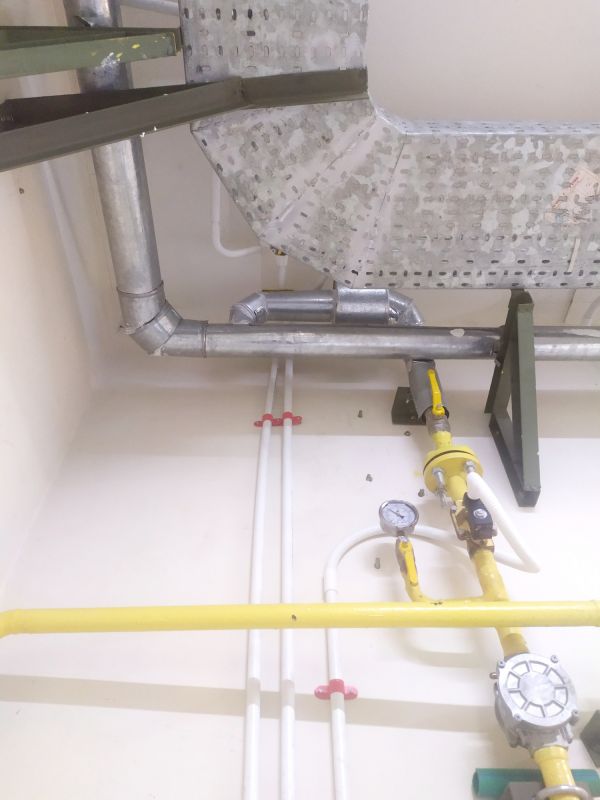
Gas line relocation services are often needed when property owners plan renovations, additions, or new construction projects that interfere with existing gas lines. Whether expanding a kitchen, building a new garage, or installing outdoor features, these projects may require moving gas lines to ensure safety and compliance. Local contractors who specialize in gas line work can assess the property, determine the best course of action, and handle the necessary adjustments efficiently.
Property owners might also seek gas line relocation when experiencing issues such as leaks, corrosion, or outdated piping that no longer meets safety standards. Additionally, if a property is undergoing a major remodel or landscape redesign, relocating gas lines can help improve accessibility and prevent future problems. Experienced service providers in the area can provide guidance and skilled work to ensure the gas lines are properly moved and safely installed according to local regulations.
Why might I need to relocate my gas line? Gas line relocation may be necessary for home renovations, new construction, or to improve safety and accessibility around your property.
What factors do local contractors consider when relocating a gas line? Contractors evaluate the existing gas system, property layout, safety regulations, and the best route for the new line to ensure proper installation.
Is gas line relocation a safe process? Gas line relocation is performed by experienced service providers following safety standards and regulations to ensure proper handling and installation.
What types of properties can benefit from gas line relocation services? Residential, commercial, and industrial properties that require rerouting or upgrading of their gas lines can benefit from these services.
How do I find qualified local contractors for gas line relocation? This website helps connect homeowners with local service providers experienced in gas line installation and relocation tasks.
Home Renovation Projects - Relocating gas lines can enable safe expansion or remodeling of kitchens, outdoor kitchens, or living areas.
Outdoor Living Space Enhancements - Moving gas lines allows for the installation of new fire pits, outdoor grills, or patio heaters.
Garage or Workshop Additions - Relocating gas lines can support the addition of garages, workshops, or hobby spaces that require gas appliances.
Landscaping and Yard Improvements - Adjusting gas line placement can facilitate new landscaping features, such as outdoor kitchens or lighting fixtures.
If you are thinking about Gas Line Relocation for a property, this guide is meant to help you understand the work, the typical project types, and how different options might fit your plans.
When you are ready, you can use the quote form on this page to share a few details about your project. From there, local pros can review the basics and respond with options that match what you have in mind.