Residential Gas Piping in Fredericksburg, VA
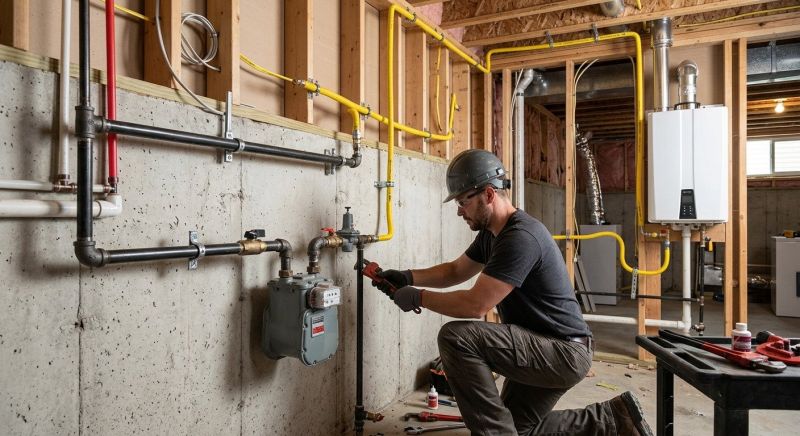
Residential gas piping services involve installing, repairing, or upgrading the piping systems that deliver natural gas to appliances within a home. These projects typically include adding new gas lines for appliances such as stoves, water heaters, fireplaces, or outdoor grills, as well as replacing outdated or damaged piping to ensure safe and efficient operation. Homeowners interested in these services should understand the scope of work involved, potential safety considerations, and the importance of proper installation to prevent leaks or other issues that could impact safety and appliance performance.
Before requesting residential gas piping services, property owners usually want to know about the compatibility of existing piping with new appliances, the materials used for the piping, and any necessary permits or inspections required by local codes. It’s also helpful to have a clear idea of the layout of the home’s gas system and the specific appliances or fixtures that need connection or replacement. Ensuring these details are understood can help facilitate a smooth process and proper functioning of the gas system within the residence.
Many property owners in Fredericksburg, VA look into Residential Gas Piping for repairs, replacements, upgrades, and appearance-related improvements.
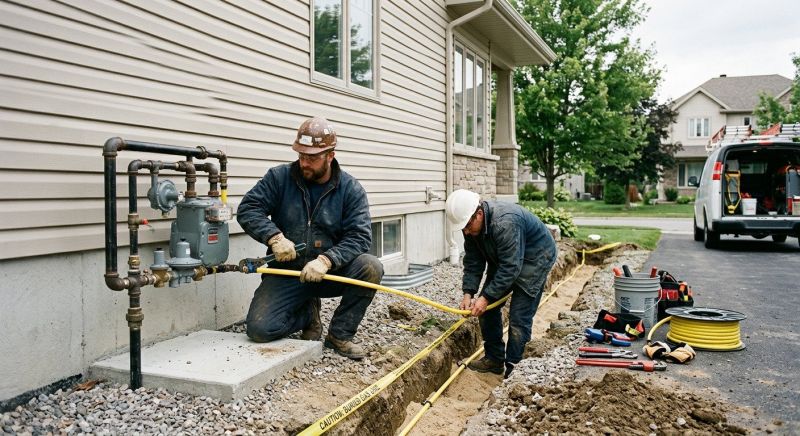
Residential Gas Piping Installation
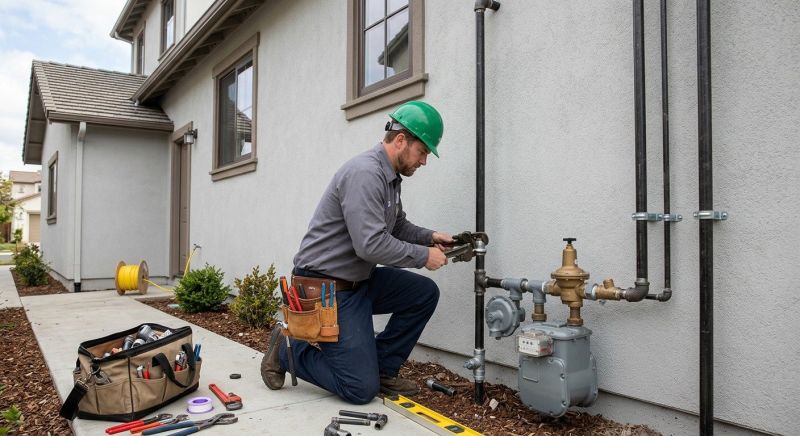
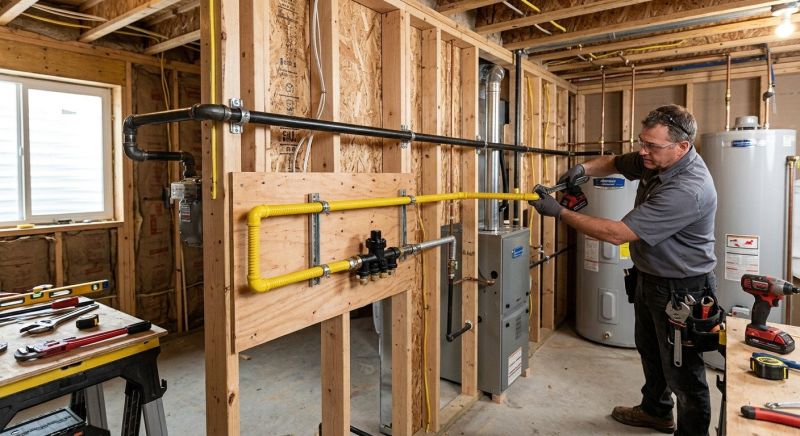
Proper installation ensures safe and reliable gas supply for appliances in homes across fredericksburg, va.
Gas Line Repair And Maintenance
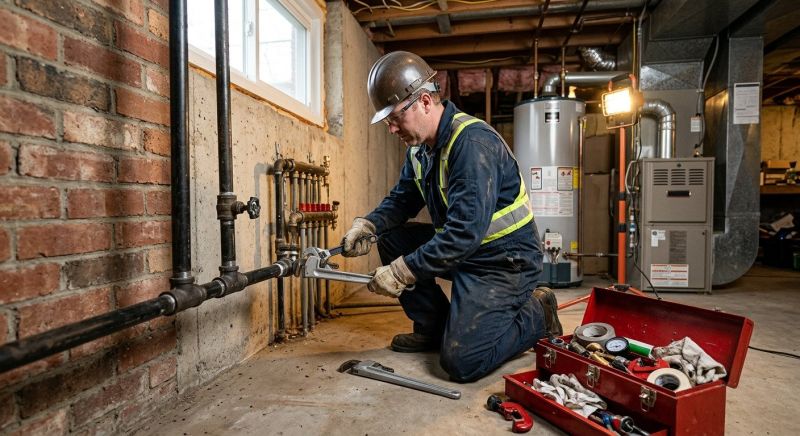
Regular inspections and timely repairs help prevent leaks and maintain the safety of gas piping systems.
Code-Compliant Gas Piping Solutions
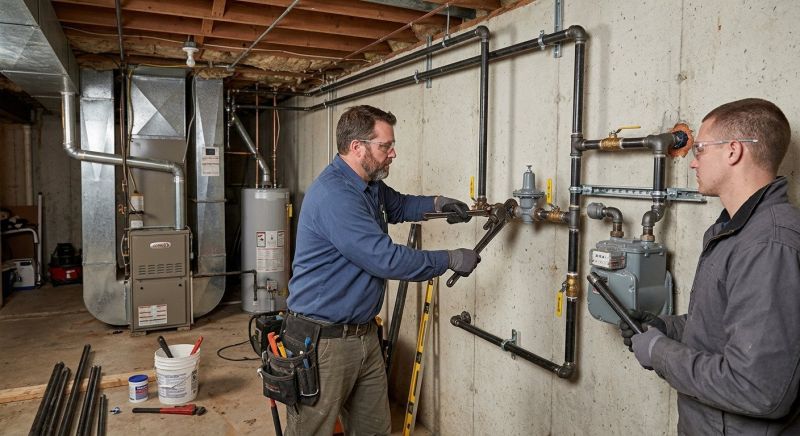
Services follow local safety standards to ensure your gas piping system is compliant and secure for everyday use.
Residential Gas Piping in Fredericksburg, VA
Residential gas piping services involve installing, repairing, or upgrading the piping systems that deliver natural gas to appliances within a home. These projects typically include adding new gas lines for appliances such as stoves, water heaters, fireplaces, or outdoor grills, as well as replacing outdated or damaged piping to ensure safe and efficient operation. Homeowners interested in these services should understand the scope of work involved, potential safety considerations, and the importance of proper installation to prevent leaks or other issues that could impact safety and appliance performance.
Before requesting residential gas piping services, property owners usually want to know about the compatibility of existing piping with new appliances, the materials used for the piping, and any necessary permits or inspections required by local codes. It’s also helpful to have a clear idea of the layout of the home’s gas system and the specific appliances or fixtures that need connection or replacement. Ensuring these details are understood can help facilitate a smooth process and proper functioning of the gas system within the residence.
Many property owners in Fredericksburg, VA look into Residential Gas Piping for repairs, replacements, upgrades, and appearance-related improvements.
Common Residential Gas Piping Jobs
Residential Gas Piping Installation - involves setting up new gas lines for appliances and heating systems.
Gas Line Repair and Replacement - addresses leaks, corrosion, or damage to existing gas piping.
Gas Appliance Hookups - connects appliances like stoves, water heaters, and fireplaces to the gas supply.
Leak Detection Services - identifies and resolves gas leaks to ensure safety and proper operation.
Gas Line Upgrades - enhances existing piping to meet increased demand or modern safety standards.
Code-Compliant Gas Piping - ensures all installations meet local building and safety regulations.
Residential Gas Piping Questions
What types of residential gas piping projects are common? Common projects include installing new gas lines for appliances, upgrading existing piping, and replacing outdated or damaged pipes to ensure safety and efficiency.
How can homeowners tell if their gas piping needs attention? Signs include the smell of gas, hissing sounds near pipes, or inconsistent appliance performance, which may indicate leaks or blockages.
What materials are typically used for residential gas piping? Common materials include black iron, steel, and flexible stainless steel connectors, chosen for durability and safety.
Is it necessary to have a permit for gas piping work? Yes, most local regulations require permits for installing or modifying gas lines to ensure code compliance and safety.
Request Residential Gas Piping in Fredericksburg, VA
Use the quote form on this page to share the basics of your project and request more information for the type of work you need.