Drain Line Replacement in Denver, CO
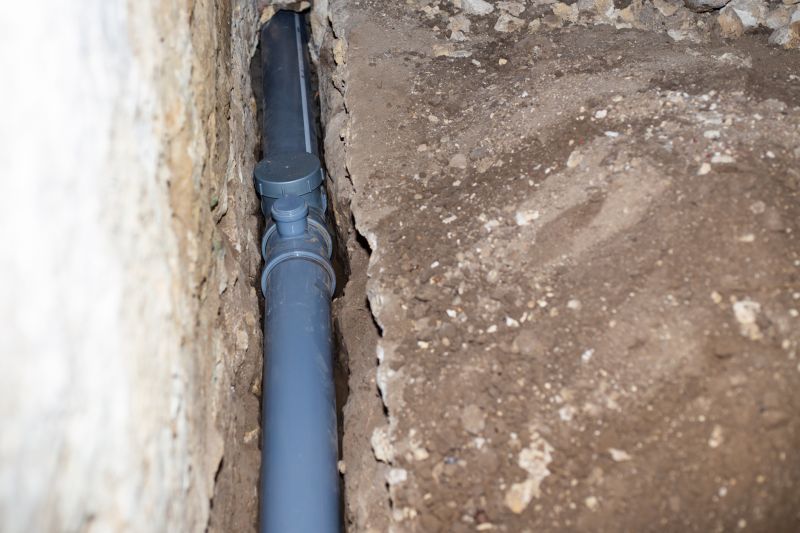
Drain line replacement services involve removing and installing new underground pipes that carry wastewater from a property to the main sewer or septic system. This type of project is typically needed when existing drain lines are damaged, corroded, cracked, or severely clogged, which can cause backups, leaks, or unpleasant odors. Property owners often request drain line replacement for issues such as persistent blockages, signs of leaking, or after detecting a drop in property value due to outdated or failing piping systems.
Before requesting drain line replacement, homeowners should understand the scope of the project, including the potential need for excavation and the impact on landscaping or driveways. It is also helpful to know the age and material of existing pipes, as older systems may be more prone to failure. Clarifying the extent of the damage and discussing the options for pipe materials can ensure the replacement process aligns with the property’s needs and long-term durability.
Many property owners in Denver, CO look into Drain Line Replacement for repairs, replacements, upgrades, and appearance-related improvements.
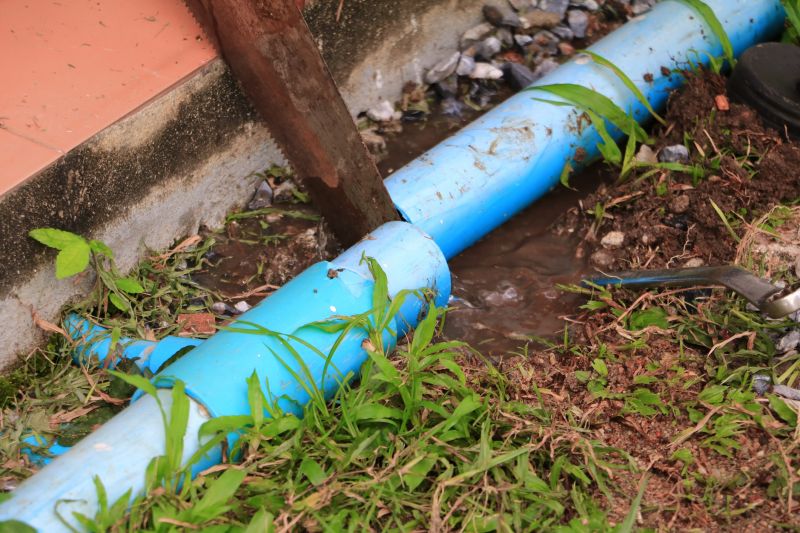
Signs Of Drain Line Issues
Slow drains, foul odors, and backups can indicate the need for drain line replacement.
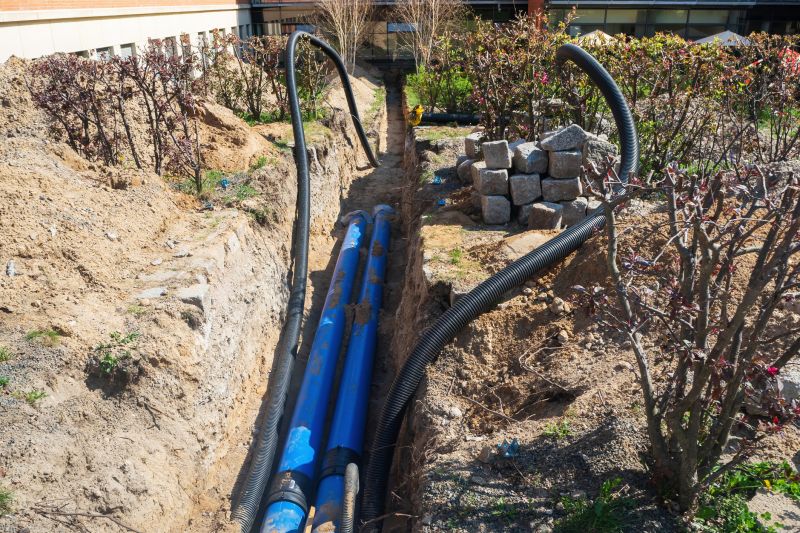
Reasons For Replacement
Corrosion, tree root intrusion, and age can compromise drain lines and require replacement.
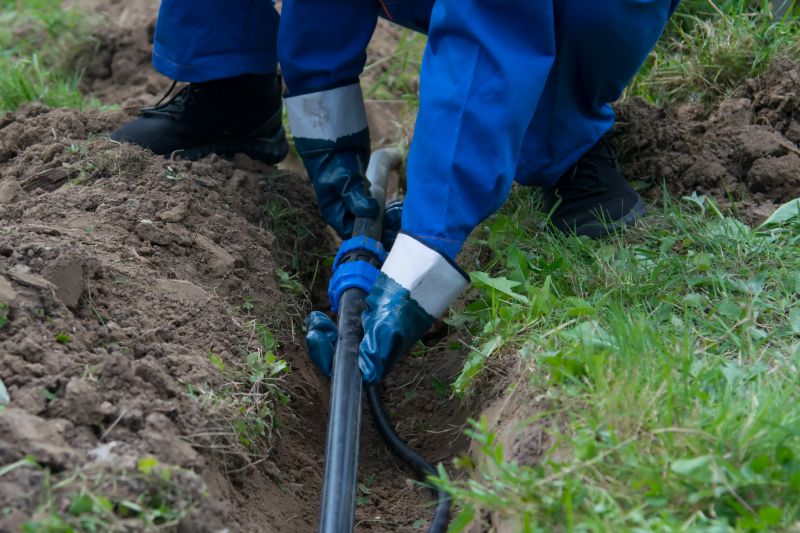
Benefits Of Replacement
Upgrading drain lines can improve plumbing performance and prevent costly property damage.
Drain Line Replacement in Denver, CO
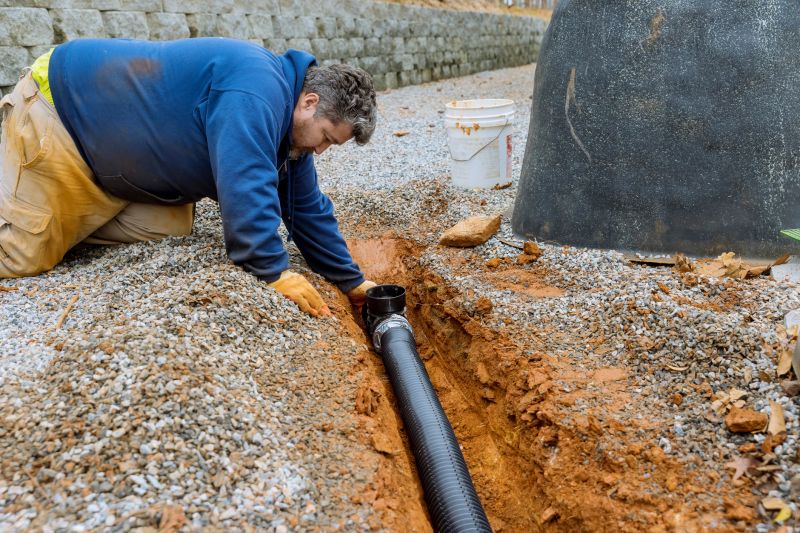
Drain line replacement services involve removing and installing new underground pipes that carry wastewater from a property to the main sewer or septic system. This type of project is typically needed when existing drain lines are damaged, corroded, cracked, or severely clogged, which can cause backups, leaks, or unpleasant odors. Property owners often request drain line replacement for issues such as persistent blockages, signs of leaking, or after detecting a drop in property value due to outdated or failing piping systems.
Before requesting drain line replacement, homeowners should understand the scope of the project, including the potential need for excavation and the impact on landscaping or driveways. It is also helpful to know the age and material of existing pipes, as older systems may be more prone to failure. Clarifying the extent of the damage and discussing the options for pipe materials can ensure the replacement process aligns with the property’s needs and long-term durability.
Many property owners in Denver, CO look into Drain Line Replacement for repairs, replacements, upgrades, and appearance-related improvements.
Common Drain Line Replacement Jobs
Drain line replacement involves removing and installing new drain pipes to ensure proper waste flow.
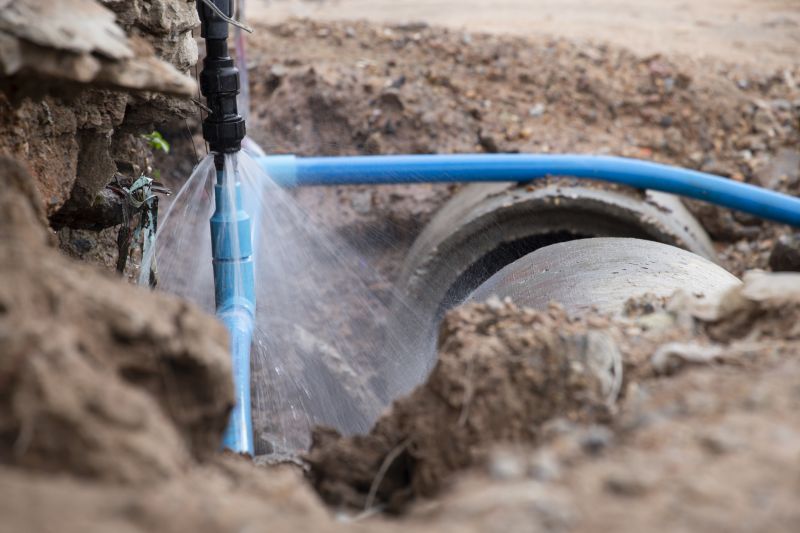
Underground drain pipe repair addresses leaks or damage beneath the surface to prevent backups and water damage.
Main sewer line replacement involves upgrading the primary drain line that carries waste from the property to the sewer system.
Drain pipe rerouting adjusts existing pipe pathways to improve drainage and resolve layout issues.
Clogged drain line removal clears blockages that cause slow drains or backups in household plumbing.
Drain line inspection services use cameras to identify damage or obstructions before replacement work begins.
Drain Line Replacement Questions
What is drain line replacement? It involves removing and installing new drain pipes to ensure proper wastewater flow from a property.
When should drain lines be replaced? Replacement is recommended if there are persistent clogs, leaks, or signs of severe corrosion in the pipes.
What types of drain lines are commonly replaced? Main sewer lines and underground drain pipes are often replaced during these services.
How can property owners tell if drain line replacement is needed? Signs include frequent backups, foul odors, or visible pipe damage beneath the property.
Request Drain Line Replacement in Denver, CO
Use the quote form on this page to share the basics of your project and request more information for the type of work you need.